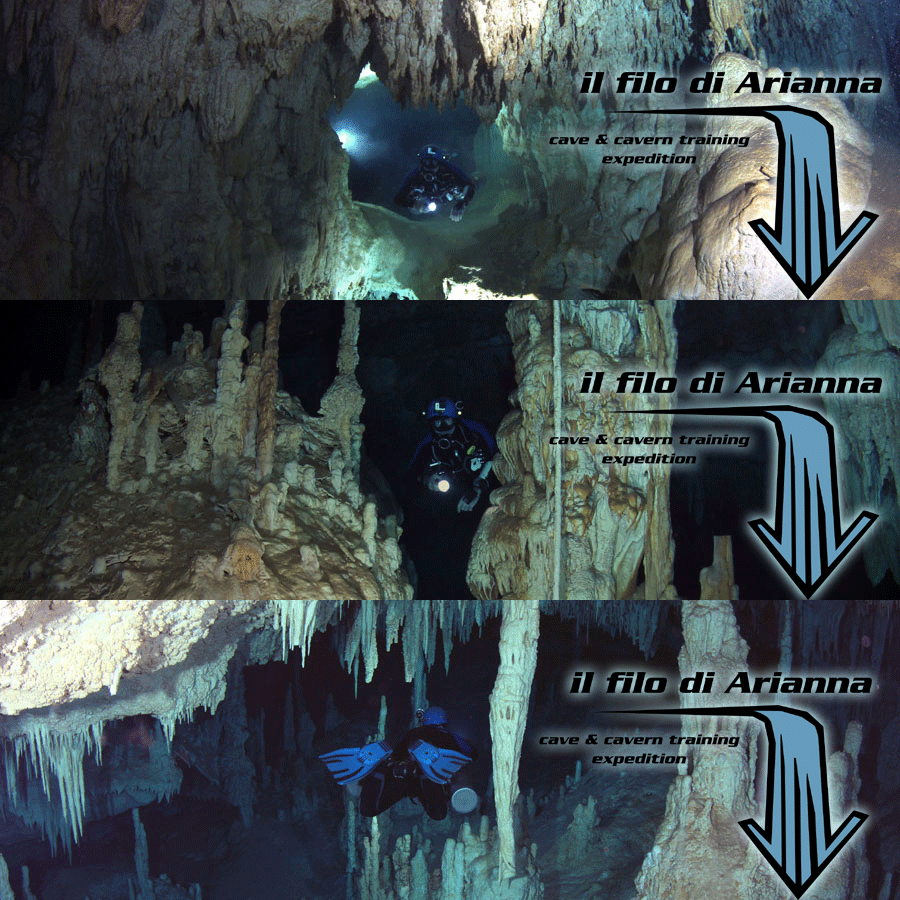
The legend of "Ariadne's wire"
originates from Greek mythology.
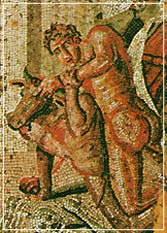
On the island of Knossos, there was a man with the head of a bull,
called the "Minotaur" locked inside a maze.
The city of Athens, subjected then to Crete, was to send seven young
men and seven maidens each year as an offering to feed to the Minotaur,
who was eating human flesh.
When it came time to make the third sacrifical expedition, Theseus, son
of the king of Athens, volunteered to go to kill the monster.
When he arrived in Crete, Ariadne, the daughter of Minos, fell in love
with him and helped him find his way out of the maze by giving him a
skein of yarn that, when unrolled, would allow him to follow his tracks
back.
Finding the Minotaur, Theseus killed him with his bare hands and managed
to get out of the maze by following the path indicated by Ariadne's
yarn.
This myth was alive and present in European culture and developed for
over three thousand years.
Ariadne's wire is easily relatable to the guidelines that are
normally used in cave diving navigation.